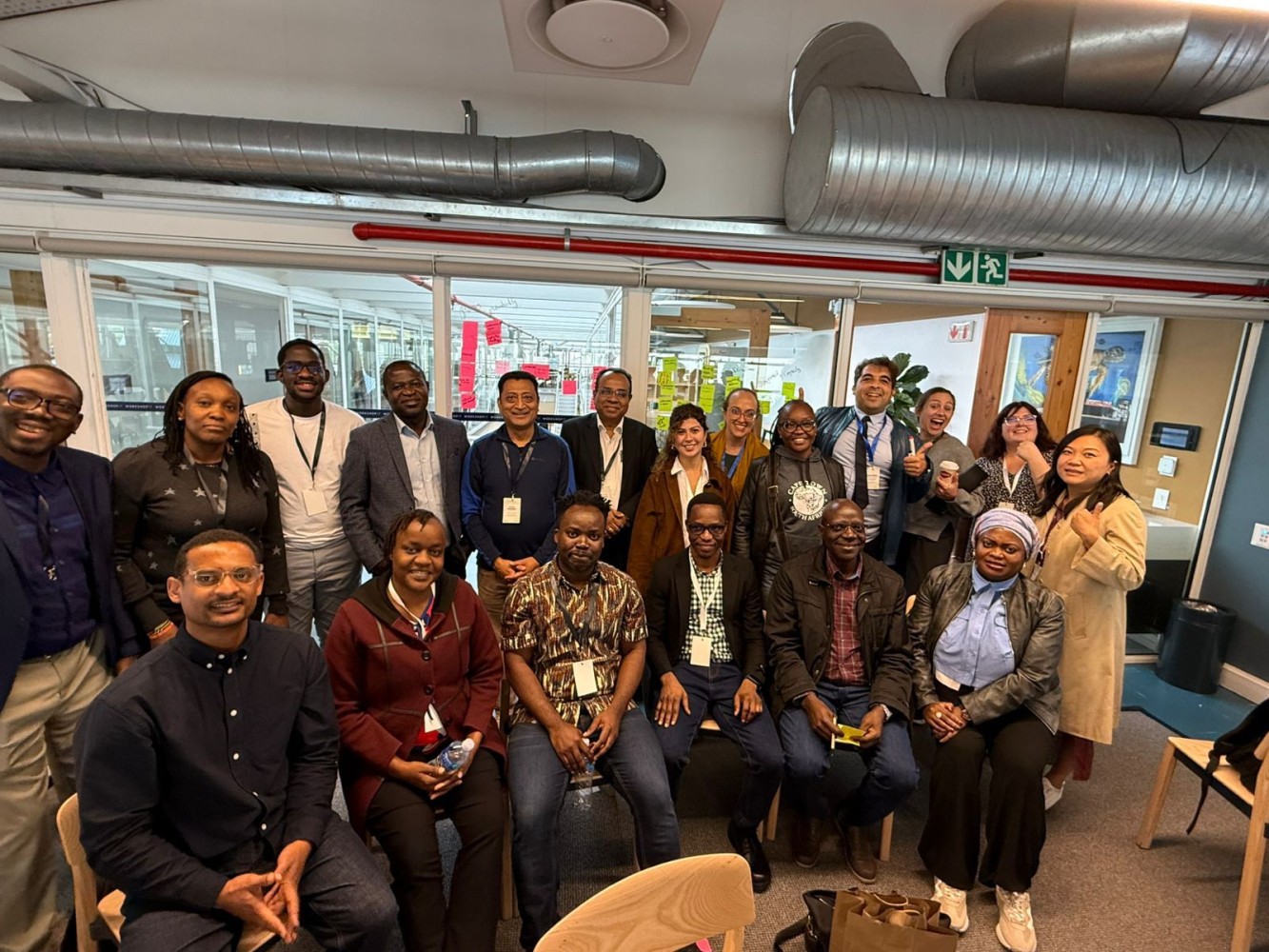
A few things stood out from the KSL Innovators Workshop that are worth sharing.
Data collection is not one thing. Video and motion capture each come with real trade-offs, and the right choice depends on the task the data is meant to serve, not the other way round. For hardware-based capture, the technical team handles the angle and translation work, while interpreters handle the language side.
Who you bring in, and in what order, matters. The first expert on any KSL data project should be a pool of sign language linguists — people who grew up with the language and know it as native signers. Interpreters come in handy during the review stage.
Annotation is never finished on day one. Guidelines grow through use: draft conventions, test them on real samples, resolve edge cases, then revise as new cases come up.
Review works best in rounds. A coordinator runs the first round. Individuals review alone first, so one person's reading does not sway the room. Then the team reviews together, reaches consensus on whether the data is correct, and agrees a common way forward wherever signing varies.
Engage the Deaf community from the very beginning, not just at the evaluation stage. Trained early into the process, they catch issues as data is collected, not after — that back-and-forth is expensive, and catching problems early is what keeps errors minimal at the end.
None of this is unique to KSL, but seeing it worked through in the room, with the people who will use this data, made the lessons concrete rather than theoretical.
Thank you to everyone who brought their experience into that discussion.