
News & Events
Stay updated with our latest announcements, research breakthroughs, event highlights, and award recognitions from MCAAI.
 Featured
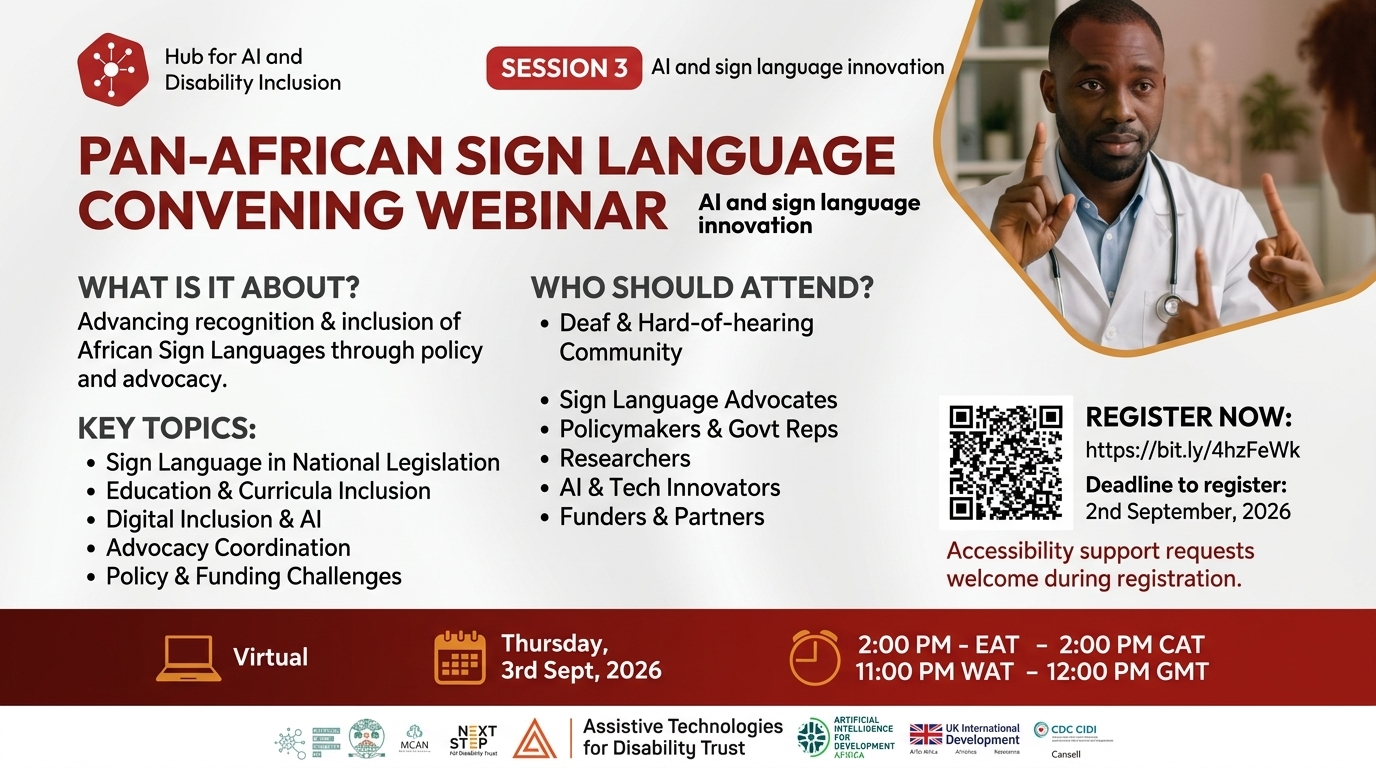
Pan‑African Sign Language Policy & Advocacy — Session 3 (Webinar)
Policy and advocacy are essential to ensuring that African Sign Languages are recognized, protected, and meaningfully included in education, digital technologies, and national development frameworks. Join Session 3 of the Pan-African Sign Language Convening Webinar as Deaf and hard-of-hearing communities, advocates, policymakers, researchers, educators, innovators, OPDs, funders, and development partners come together to discuss how stronger policies and coordinated advocacy can advance the inclusion of African Sign Languages across the continent. Session focus Recognition of African Sign Languages in national legislation and disability frameworks Inclusion in education and digital technologies Role of advocates and institutions, and policy/funding/implementation challenges Date: Thursday, 3 September 2026 Time: 2:00 PM – 3:00 PM EAT | 1:00 PM – 2:00 PM CAT | 12:00 PM – 1:00 PM WAT | 11:00 AM – 12:00 PM GMT Format: Virtual Register by 2 September 2026: https://bit.ly/4yadUTA Participants requiring accessibility support are encouraged to indicate their needs during registration. Organisers / partners: Maseno Centre for Applied Artificial Intelligence (MCAAI), Assistive Technologies for Disability Trust, Next Step Foundation, Responsible AI Lab (RAIL), Lilian D. A. Wanzare, PhD; Dr. Emmy Chirchir (PhD) MBS; Artificial Intelligence for Development (AI4D). Together, we can strengthen advocacy, influence policy, and help build a more inclusive future where African Sign Languages are recognized, represented, and supported across education, technology, and society.
Read full storyMore Stories
KSL Innovators Workshop: Lessons in Sign Language Data Collection
A few things stood out from the KSL Innovators Workshop that are worth sharing. Data collection is not one thing. Video and motion capture each come with real trade-offs, and the right choice depends on the task the data is meant to serve, not the other way round. For hardware-based capture, the technical team handles the angle and translation work, while interpreters handle the language side. Who you bring in, and in what order, matters. The first expert on any KSL data project should be a pool of sign language linguists — people who grew up with the language and know it as native signers. Interpreters come in handy during the review stage. Annotation is never finished on day one. Guidelines grow through use: draft conventions, test them on real samples, resolve edge cases, then revise as new cases come up. Review works best in rounds. A coordinator runs the first round. Individuals review alone first, so one person's reading does not sway the room. Then the team reviews together, reaches consensus on whether the data is correct, and agrees a common way forward wherever signing varies. Engage the Deaf community from the very beginning, not just at the evaluation stage. Trained early into the process, they catch issues as data is collected, not after — that back-and-forth is expensive, and catching problems early is what keeps errors minimal at the end. None of this is unique to KSL, but seeing it worked through in the room, with the people who will use this data, made the lessons concrete rather than theoretical. Thank you to everyone who brought their experience into that discussion.
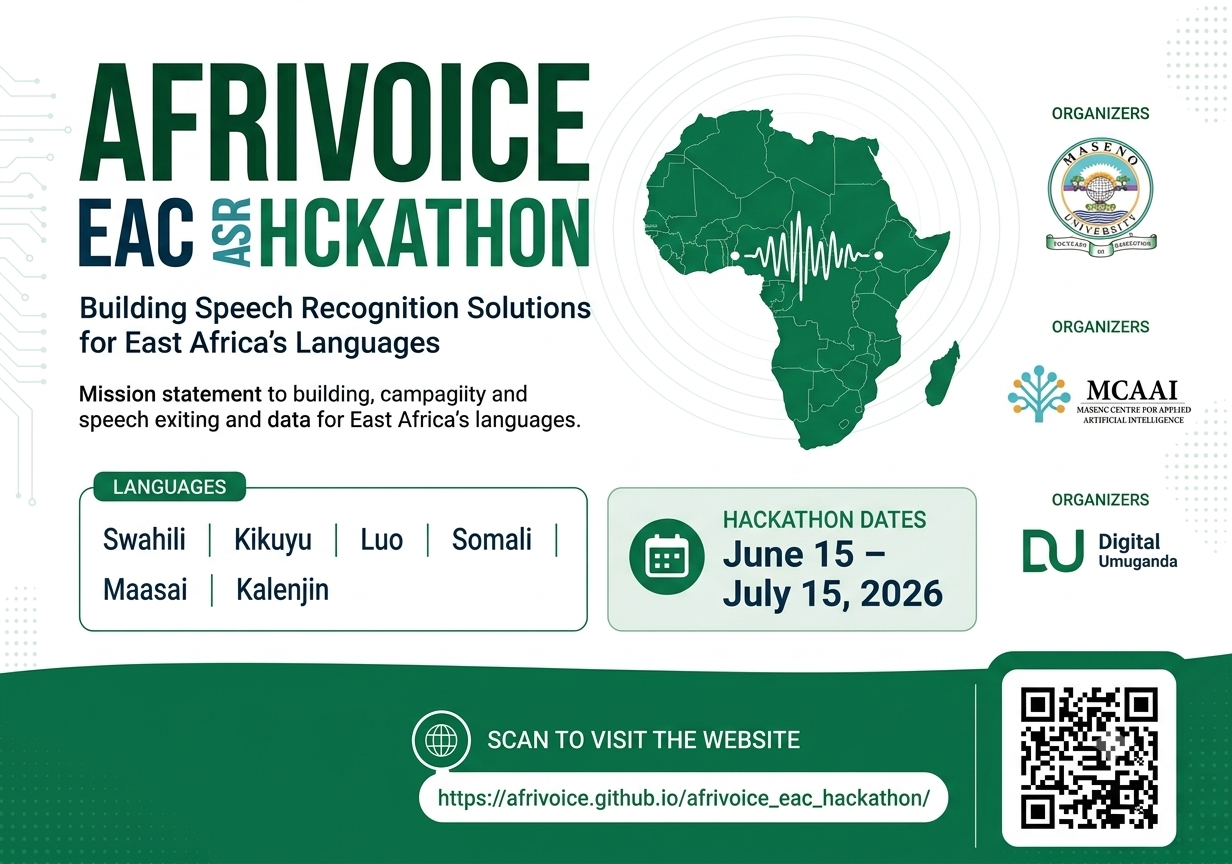
Afrivoice EAC Automated Speech Recognition Hackathon
MCAAI is proud to co-host the Afrivoice EAC Automated Speech Recognition Hackathon — a regional competition bringing together AI researchers, speech technologists, and language community representatives from across the East African Community to advance the state of ASR for the region's most under-resourced languages. About the Hackathon The Afrivoice EAC ASR Hackathon is a focused, results-driven competition designed to push the boundaries of automatic speech recognition for low-resource East African languages. Participants will be challenged to build, fine-tune, and evaluate ASR models on curated speech datasets drawn from MCAAI's own corpora — including the DhoNam Dholuo corpus and the African Next Voices multilingual dataset — as well as newly released data from partner institutions across Kenya, Uganda, Tanzania, Rwanda, and Burundi. Unlike a traditional conference, the hackathon is structured around hands-on model building. Teams will have access to compute resources, baseline model checkpoints, and dedicated mentorship from MCAAI's NLP and speech engineering team throughout the competition period. The goal is not only to produce winning models, but to generate open-source tools and fine-tuned checkpoints that the broader East African AI community can build on after the event. Target Languages The hackathon focuses on ASR development for languages that are chronically under-served by mainstream speech technology platforms. The competition dataset covers the following language tracks: Dholuo — Nilotic language, Western Kenya (4M+ speakers) Kikuyu — Bantu language, Central Kenya (8M+ speakers) Luganda — Bantu language, Uganda (6M+ speakers) Kinyarwanda — Bantu language, Rwanda (12M+ speakers) Kirundi — Bantu language, Burundi (9M+ speakers) Open Track — Any additional EAC indigenous language with submitted data Teams may compete in one or more language tracks. Cross-lingual and multilingual model submissions are explicitly encouraged and will be evaluated in a dedicated multilingual category. Competition Structure The hackathon runs over 72 hours of active model development, preceded by a half-day orientation session covering the dataset formats, evaluation metrics, and baseline model infrastructure. The competition is structured in two phases: Phase 1 — Public Leaderboard (Days 1–2): Teams submit models evaluated against a public development set. Word Error Rate (WER) scores are updated on a live leaderboard accessible to all participants. Phase 2 — Final Evaluation (Day 3): Teams make a final submission evaluated against a held-out test set. Final rankings are determined by WER on the hidden test data, with secondary scoring for model size efficiency and open-source code quality. Prizes & Recognition 1st Place (per language track): KES 150,000 + invitation to present at IndabaX Kenya 2026 2nd Place (per language track): KES 75,000 3rd Place (per language track): KES 40,000 Best Multilingual Model: KES 200,000 + MCAAI Research Collaboration Award Best Open-Source Contribution: Special recognition award + feature in MCAAI's annual research report All submitted models that meet a minimum quality threshold will be considered for integration into MCAAI's open model repository, with full attribution to the contributing team. Who Should Participate The hackathon is open to individuals and teams of up to four members. We welcome participants from all backgrounds — university students, independent researchers, professional engineers, and community linguists. No prior experience with speech recognition is required; orientation materials and baseline code will be provided to help new participants get up to speed quickly. Teams with a mix of technical and linguistic expertise are strongly encouraged, as domain knowledge of target languages is a genuine competitive advantage. Key Dates Registration Opens: 1 July 2026 Registration Deadline: 10 August 2026 Dataset Release: 15 August 2026 Hackathon Dates: 5–7 September 2026, Maseno University Winners Announced: 7 September 2026 (closing ceremony) To register your team or find out more, visit the MCAAI events page or contact the hackathon organising team at afrivoice@mcaai.ac.ke.
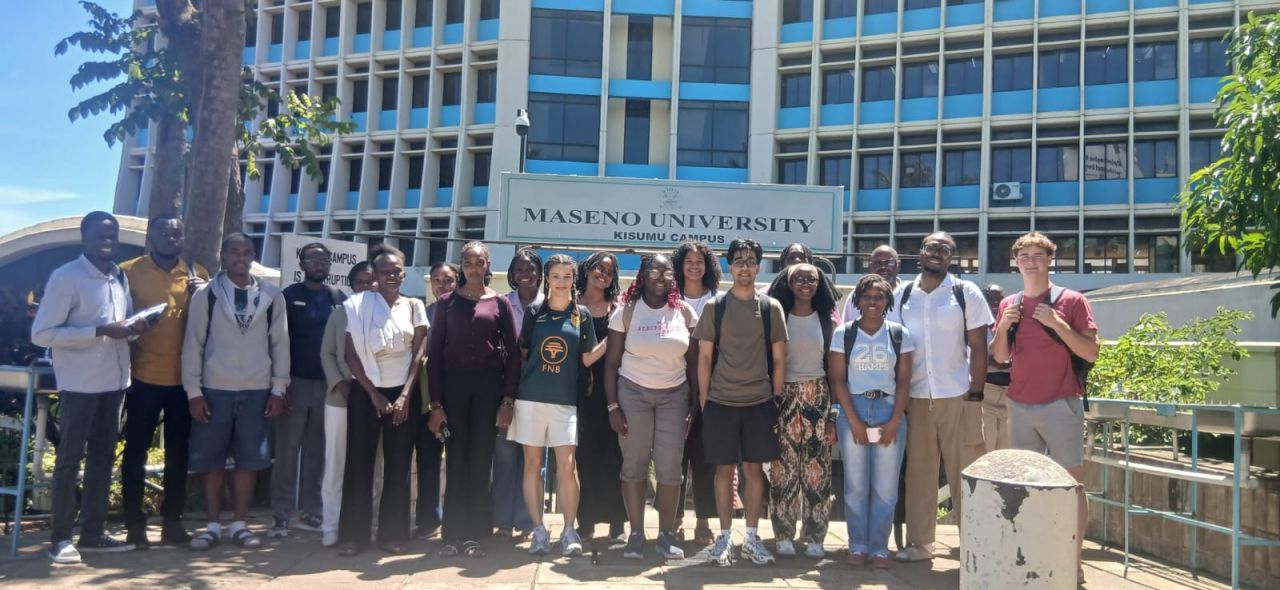
MCAAI to Host PIIRS Global Seminar – Summer 2026: Technology for African Languages in the Digital Age
MCAAI is proud to announce that Maseno University will host the PIIRS Global Seminar – Summer 2026, themed "Technology for African Languages in the Digital Age: An Interdisciplinary Approach." The six-week experiential learning programme brings together students and faculty from Princeton University and Maseno University for a deep, hands-on exploration of language technology, cultural preservation, and digital inclusion across the African continent. The Questions Driving the Programme How do we teach computers to understand African languages? What role can language technologies play in preserving culture, improving education, and advancing digital inclusion across the continent? These are not abstract questions — they are the organising challenges that will guide every week of this seminar, from classroom discussions and research workshops to community field visits and live data collection sessions. The programme is built on the conviction that answering these questions requires more than technical expertise alone. Linguists, educators, computer scientists, and community knowledge holders all bring indispensable perspectives to the challenge of building AI systems that genuinely serve African language communities — and the PIIRS seminar is designed to bring precisely those perspectives into productive dialogue. Faculty & Partners The seminar is a collaboration between Princeton University and Maseno University, drawing faculty from Computer Science, Kiswahili, and Early Childhood Education. The Princeton delegation includes Happy Buzaaba, Srinivas Bangalore, and Mahiri, who bring expertise in computational linguistics, speech and language processing, and language education respectively. The Maseno University team is led by faculty members Benard Odoyo Okal and Dr. Lilian D. A. Wanzare, Founder and Lead Researcher of MCAAI, alongside a multidisciplinary research team drawn from the centre's NLP, corpus linguistics, and applied AI programmes. Languages Featured This year's seminar focuses on six Kenyan languages that are significantly under-resourced in the computational linguistics landscape, each representing a distinct linguistic family and cultural heritage: Ekegusii — Bantu language of the Kisii highlands, South Western Kenya Teso — Nilotic language spoken in Western Kenya and Eastern Uganda Kamba — Bantu language of the Ukambani region, Eastern Kenya Dawida (Taita) — Bantu language of the Taita Hills, Coast Province Maasai — Nilotic language spoken across the Rift Valley and Northern Tanzania Turkana — Nilotic language of Turkana County, Northwestern Kenya For each language, participants will engage directly with speaker communities to collect culturally relevant data, developing firsthand understanding of the linguistic structures, social contexts, and community priorities that must inform the design of any technology intended to serve these languages. Programme Structure The seminar combines four complementary modes of learning across its six weeks: Classroom Learning: Lectures and seminars covering the foundations of NLP for low-resource languages, speech technology, corpus linguistics, and the ethics of AI-driven language preservation. Community Engagement: Structured visits to speaker communities for language data collection, conducted using MCAAI's established ethical data collection protocols and in compliance with the NOODL open data governance framework. Interdisciplinary Research: Collaborative research projects in which Princeton and Maseno students work in mixed teams to analyse collected data, build prototype language tools, and produce research outputs. Field Excursions: Cultural and linguistic field trips to Mombasa, Malindi, Maasai Mara, and Nairobi, exploring the rich linguistic diversity of Kenya and engaging with language communities in their home environments. Expected Outcomes By the close of the seminar, participants will have contributed directly to the development of new language datasets for six under-resourced Kenyan languages — data that will be deposited in MCAAI's open corpus repository under the NOODL license and made available to the global research community. Beyond the datasets themselves, the seminar aims to produce lasting research collaborations between Princeton and Maseno, a cohort of students with genuine interdisciplinary expertise in language technology, and a set of community-grounded insights that will inform MCAAI's research agenda for years to come. "We are deeply honoured to host this seminar at Maseno," said Dr. Lilian Wanzare. "The partnership with Princeton brings extraordinary expertise and energy to questions that MCAAI has been working on since our founding — and the languages we will be working with this summer are precisely the ones that need this kind of sustained, respectful, community-grounded attention. We are looking forward to an extraordinary six weeks." For more information about the PIIRS Global Seminar and opportunities to engage with the programme, visit the MCAAI events page or contact piirs@mcaai.ac.ke.
MCAAI Officially Launched at Maseno University
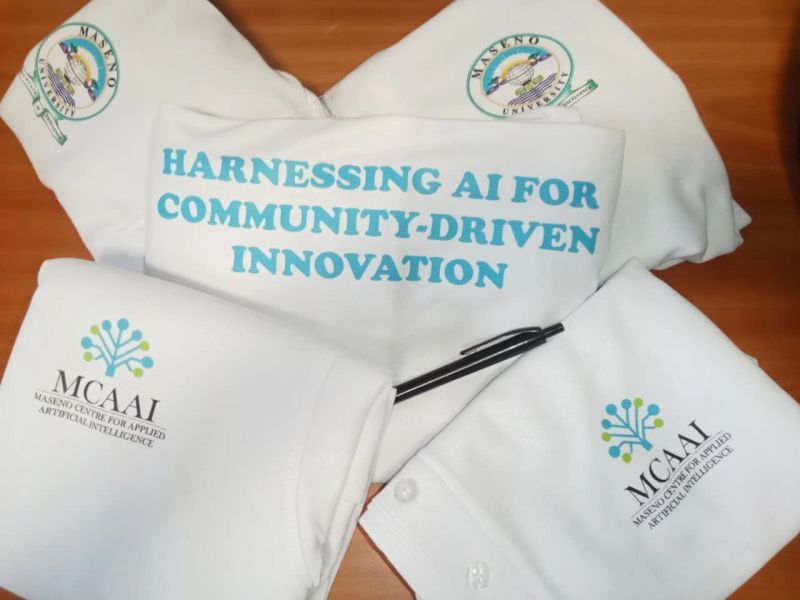
On 1 April 2026, the Maseno Centre for Applied Artificial Intelligence (MCAAI) was officially inaugurated at the Maseno University Amphitheatre in a ceremony attended by university leadership, government representatives, international research partners, and members of the communities whose languages and livelihoods sit at the centre of MCAAI's mission. A Vision Years in the Making MCAAI's official launch marks the culmination of a research trajectory that began several years earlier. The centre's foundational work started in 2024 with two pilot initiatives: the African Next Voices speech data collection programme, which produced the first large-scale multi-language corpus for Kenyan indigenous languages, and the Leveraging AI for Kenyan Sign Language (KSL) project, supported by Data Science Africa (DSA). These pilots demonstrated both the technical feasibility and the community demand for the kind of AI research MCAAI was designed to conduct. In 2025, MCAAI achieved a global milestone that set the tone for the centre's approach to all subsequent work: it became the first community in the world to implement the Nwulite Obodo Open Data License (NOODL) in practice, applying the framework to a Dholuo voice data collection project and demonstrating that community-controlled data governance is not merely a theoretical aspiration but a working, deployable system. This achievement attracted international attention and established MCAAI as a global thought leader in AI data sovereignty. The Launch Ceremony The inauguration ceremony at the Maseno University Amphitheatre brought together an audience of over 300 participants, including Maseno University Vice-Chancellor Professor Julius Ogeng'o, representatives from the Kenya Ministry of ICT, and international partners including members of the Masakhane research community and Zone1 technology initiative. The event featured live demonstrations of the AI4KSL sign language avatar system and the AI Farm Assistant USSD platform, both of which drew significant interest from attendees. Founder and Lead Researcher Dr. Lilian Wanzare delivered the keynote address, outlining MCAAI's four core research programmes and articulating the centre's philosophy: that AI technology developed in and for African communities must be driven by African researchers, grounded in African linguistic and cultural contexts, and governed by frameworks that ensure African communities retain ownership of the data and knowledge that power AI systems. "We are not building AI for Africa from the outside. We are building it from within — from Maseno, from Western Kenya, from the communities whose languages, knowledge, and daily realities define what useful AI actually means in this context." — Dr. Lilian Wanzare, Founder and Lead Researcher, MCAAI Institutional Significance The launch of MCAAI has positioned Maseno University as a premier destination for AI research in East Africa. The centre has already been named as the host institution for the next IndabaX Kenya machine learning conference — a significant recognition of Maseno's emerging leadership in the regional AI research landscape. MCAAI's establishment also strengthens the university's postgraduate research offering, providing Master's and PhD students in Computer Science with access to world-class research infrastructure, international partnerships, and funding opportunities that were previously unavailable at Maseno. Looking Ahead In the months following the launch, MCAAI will focus on three immediate priorities: expanding the African Next Voices dataset to reach 5,000 hours of speech data across seven Kenyan languages; completing the first production release of the AI4KSL sign language avatar system for use in Kenyan schools for the deaf; and publishing the NOODL framework as an open standard available for adoption by research institutions across Africa. Applications for MCAAI's inaugural postgraduate research fellowships — covering tuition, stipend, and equipment for Master's and PhD students working on MCAAI's research programmes — are now open. Details are available on the team page.
MCAAI Members Sweep Awards at Deep Learning Indaba 2025 and Beyond
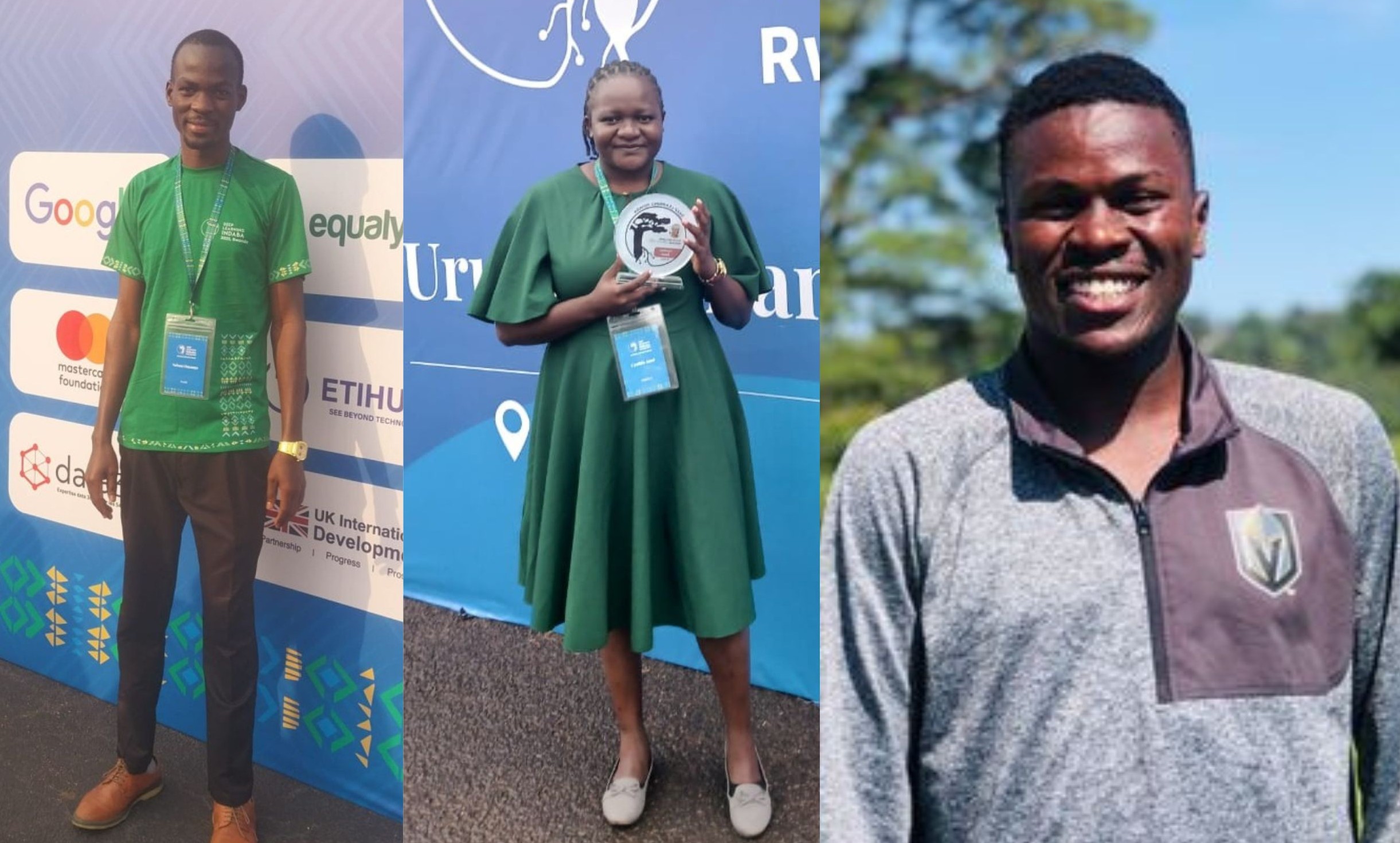
2025 was a year of outstanding individual and collective recognition for MCAAI members at regional and international AI events. We are proud to celebrate the following achievements. Cynthia Jayne Amol Alele-Williams Masters Award — awarded at Deep Learning Indaba 2025, Rwanda Google Data Science Africa Fellowship Caribou Recognition Award Ezekiel Maina Google PhD Fellowship Best Poster Award — East Africa School for Young ML Researchers, University of Nairobi Nelson Odhiambo Onyango Best Poster Award at Deep Learning Indaba 2025 — for his poster on a novel hate speech dataset comprising 19,369 tweets curated from Politikweli, Hate_Speech_Kenya, and AfriSenti. The dataset was cleaned, de-duplicated, language-labelled, and annotated across hate, offensive, and neutral classes, with further categorisation into eight target groups. The work demonstrated strong performance on code-switched and low-resource language data. John William Muga Networking Prize — Deep Learning Indaba 2025 These achievements reflect the dedication, intellectual rigour, and collaborative spirit that define the MCAAI community. We congratulate every awardee and look forward to building on this momentum in 2026.
Celebrating MCAAI Graduates of 2025
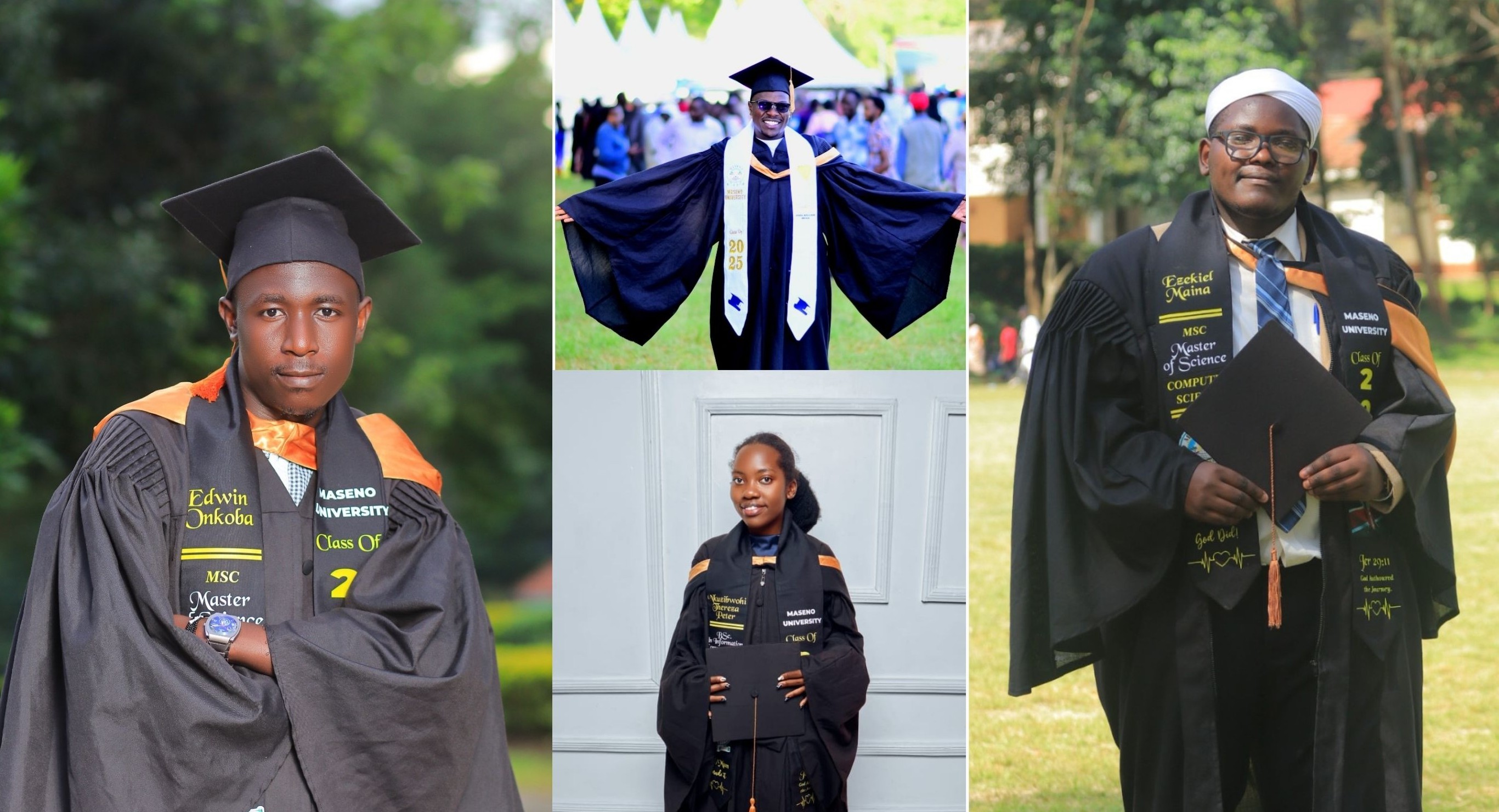
MCAAI proudly celebrates the members of our community who graduated in 2025. Your achievements mark important personal milestones and contribute to the growing strength of the MCAAI network. Masters of Science in Computer Science Ezekiel Maina — Lead engineer of the AI4KSL sign language avatar system and recipient of the Google PhD Fellowship. Ezekiel's MSc research laid the computational foundations for MCAAI's disability inclusion programme. Edwin Onkoba — Lead of MCAAI's Synthetic Data Generation team and co-author of the Swahili–Dholuo Topic Classification Dataset. Bachelor of Science in Computer Science John William Muga — AI in healthcare researcher and winner of the Deep Learning Indaba 2025 networking prize. Bachelor of Science in Information Communication Technology and Management Thereza Nkuzibwohi — A valued contributor to MCAAI's community engagement and data collection efforts throughout her undergraduate studies. We are immensely proud of each graduate and look forward to watching their continued contributions to AI research in Africa.
MCAAI Lab Lead at AI4D Conference and G20, Cape Town 2025
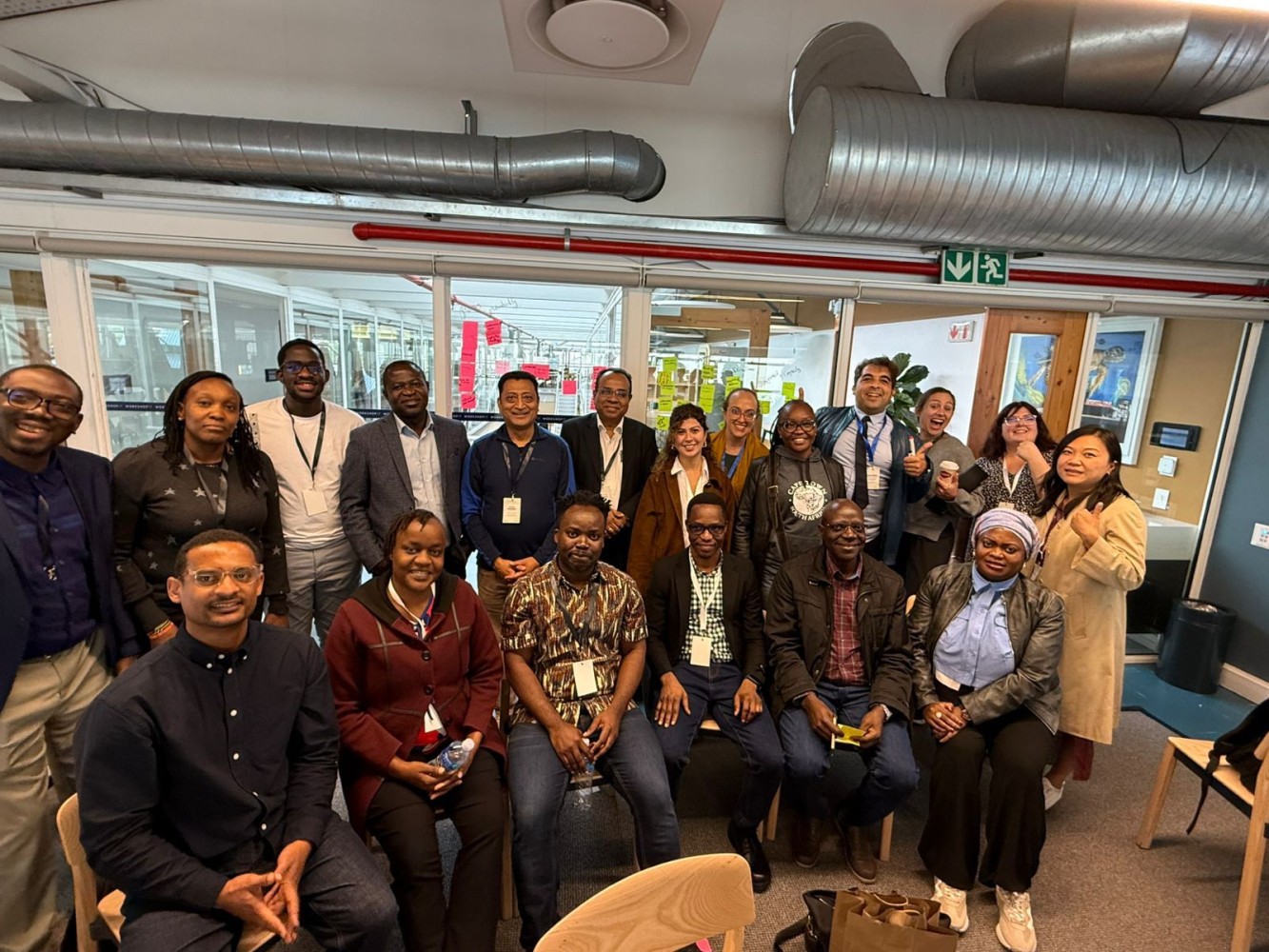
MCAAI's Lab Lead, Dr. Lilian Wanzare, attended two major events in Cape Town in 2025. AI4D Conference Dr. Wanzare participated in workshops and panels on AI for sustainable development in Africa at the AI4D Conference, sharing insights from MCAAI projects including African Next Voices, AI4KSL, and SureFood. The conference provided a platform to connect with policymakers, funders, and researchers working on AI for development across the continent. G20 Cape Town Dr. Wanzare also contributed to G20 discussions on AI for development, representing the perspective of community-grounded African AI research at a global policy forum.
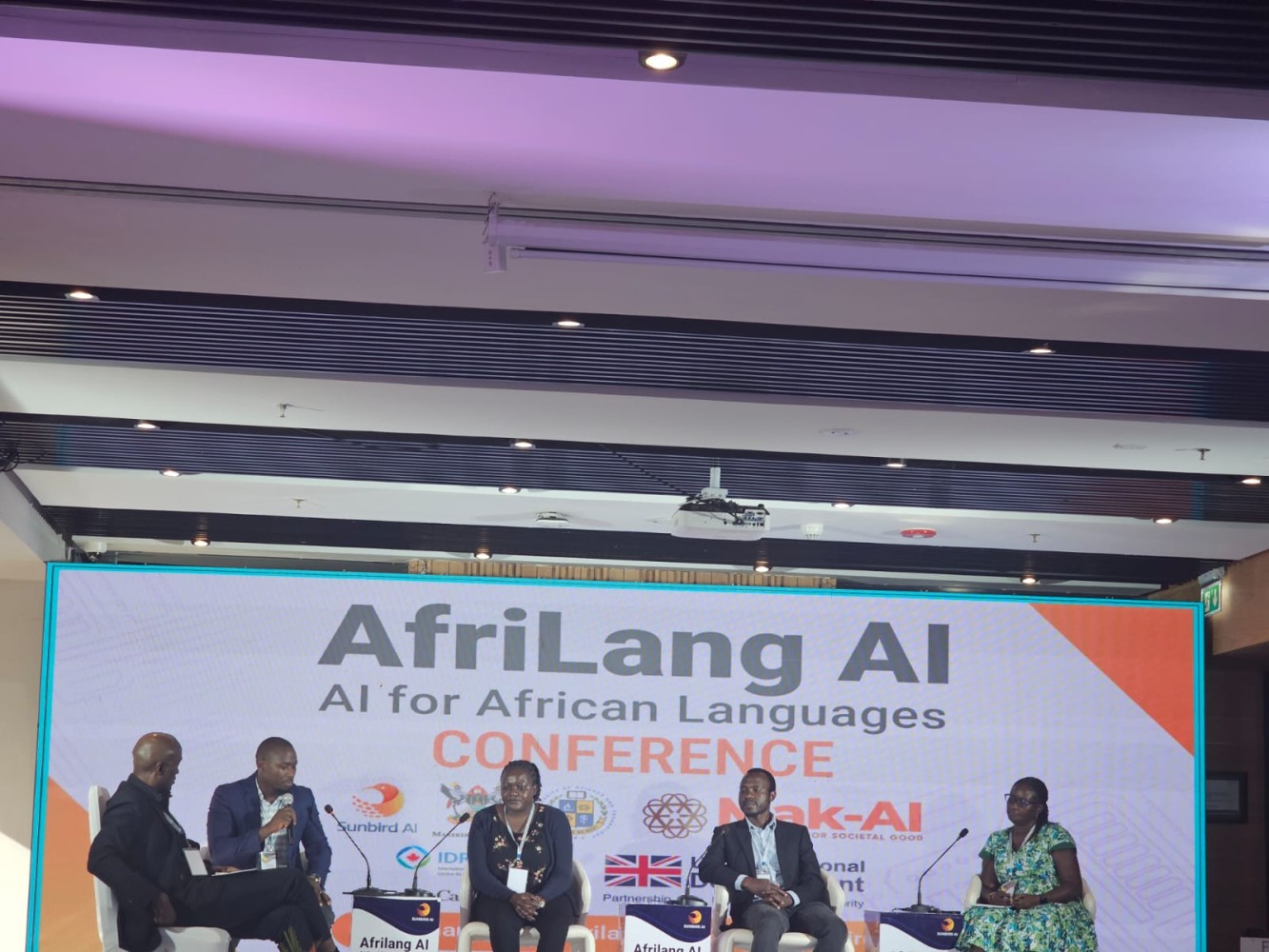
MCAAI at AfriLang AI Conference, Kampala 2025
The first AfriLang AI Conference, organised by Sunbird in Kampala, explored themes of African NLP and strategies for strengthening localised AI through cross-institutional collaboration. MCAAI participated in both paper presentation tracks and discussion panels, sharing findings from our language technology research programme. We look forward to seeing more locally-organised AI conferences in Africa and will continue to play an active role in building this regional ecosystem.
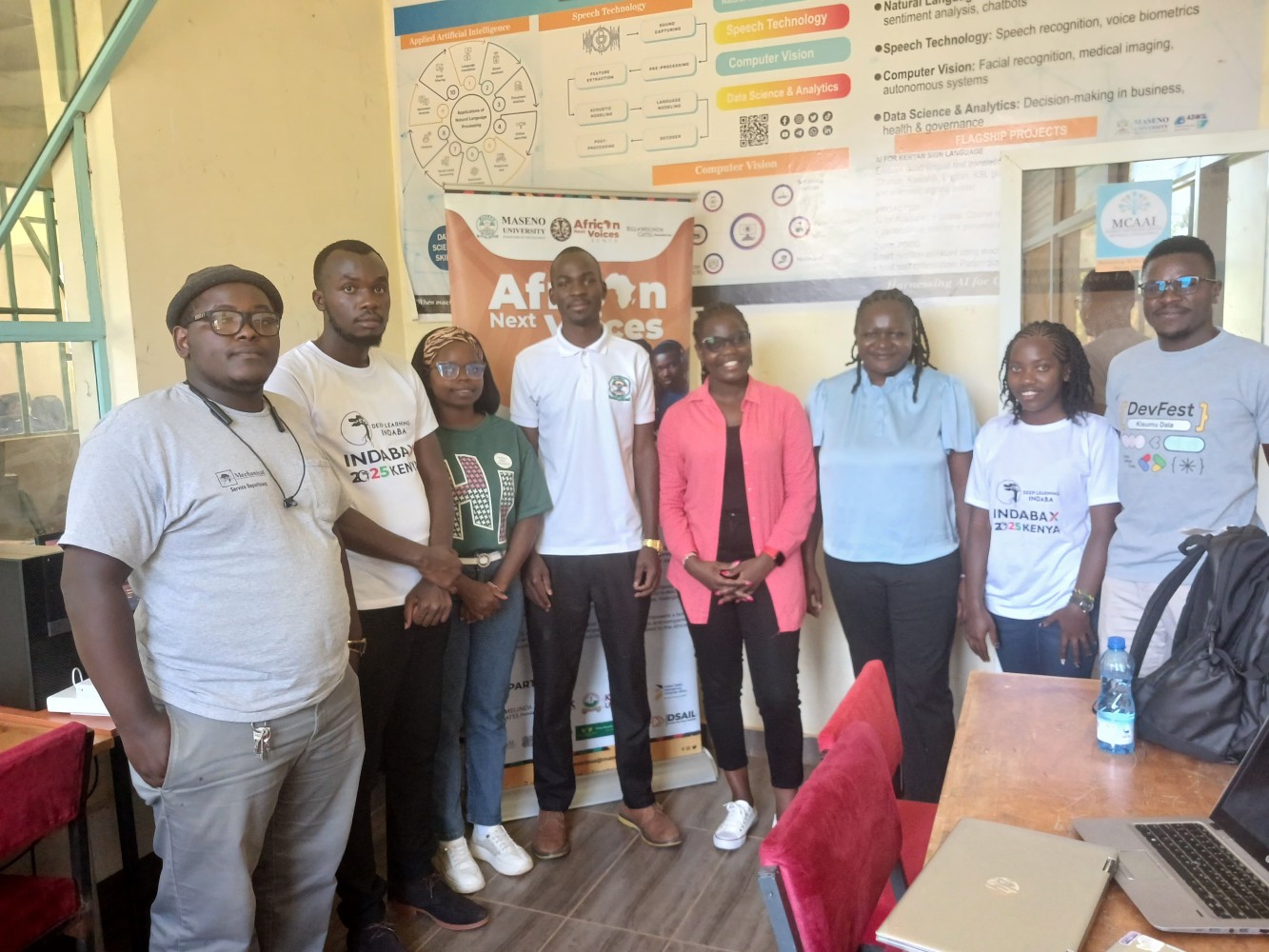
Microsoft Research Africa Visits the MCAAI Lab at Maseno University
MCAAI hosted a visit from Microsoft Research Africa at the MCAAI Lab located at Maseno University, Siriba Campus. The visit provided an opportunity to engage in meaningful discussions around applied AI research, African language technologies, and capacity building within academic research labs. Through interactions with Millicent Ochieng from MSR Africa, MCAAI members shared ongoing projects — including African Next Voices, AI4KSL, and the SureFood agricultural advisory platform — and gained valuable insights into research pathways and industry collaboration models. This engagement reinforced the shared commitment between MCAAI and Microsoft Research Africa to advancing inclusive and impactful AI research on the continent. We look forward to deepening this relationship in 2026.
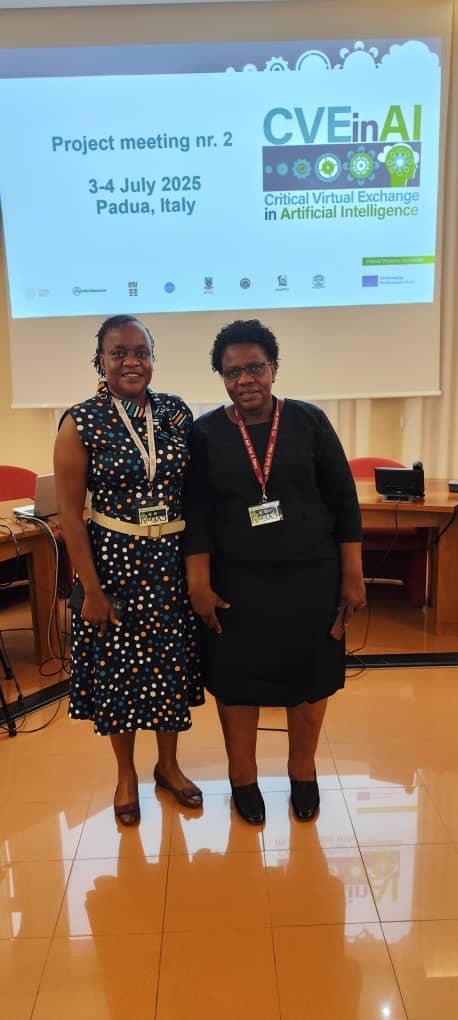
MCAAI Participates in EU-Funded CVEinAI Programme on Responsible AI
Dr. Lilian Wanzare, Cynthia Amol, Edwin Onkoba, and Martin Okech — alongside faculty from Maseno University — participated in the EU-funded CVEinAI programme, engaging in intercultural and interdisciplinary virtual exchange sessions. Discussions focused on the ethical, social, and cultural dimensions of AI, with the MCAAI team contributing to the co-design of a Responsible AI virtual exchange curriculum. The programme strengthened MCAAI's engagement with international AI ethics discourse and produced curriculum materials that will be shared with African research institutions.

Networking Prize — Deep Learning Indaba 2025
John William Muga was awarded the Networking Prize at Deep Learning Indaba 2025 in recognition of his active engagement, collaboration, and leadership throughout the event. The award celebrates MCAAI’s efforts to build strong research networks and inclusive community engagement in African AI.
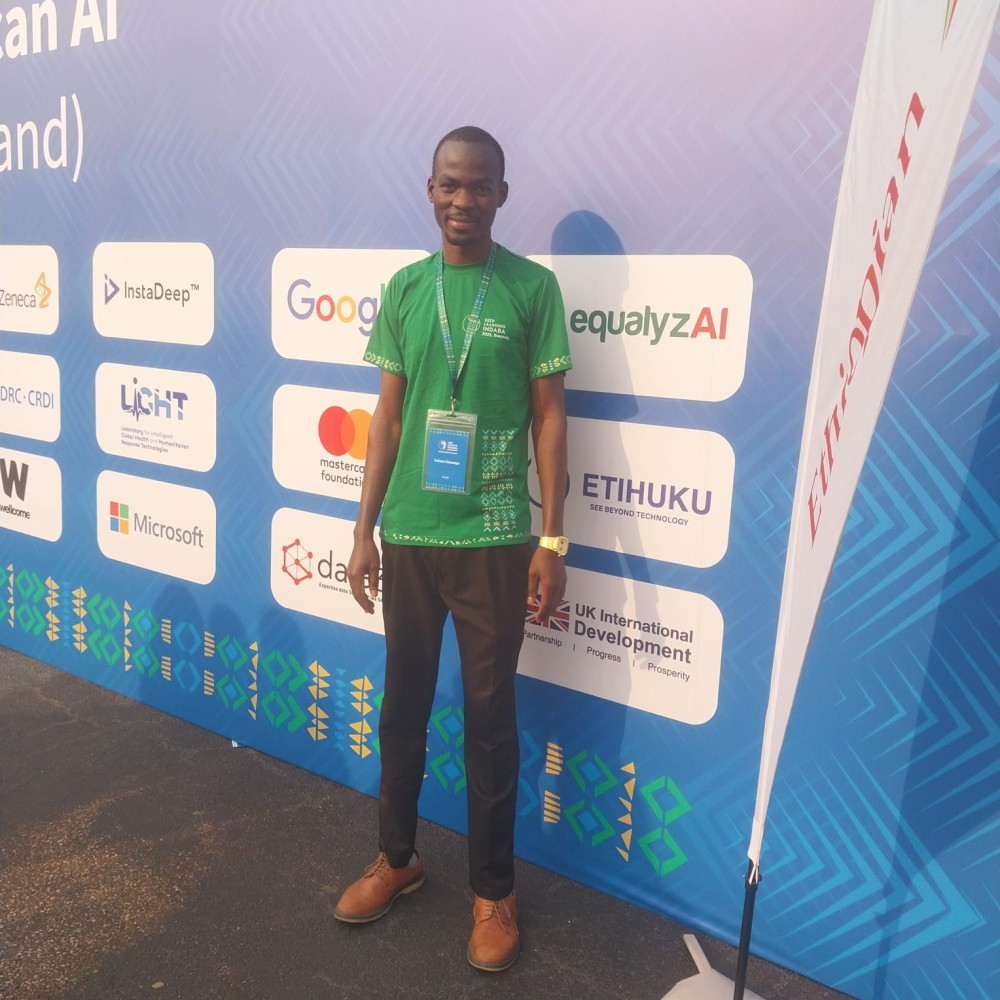
Best Poster Award — Deep Learning Indaba 2025
Nelson Odhiambo Onyango won the Best Poster Award for his research on a novel hate speech detection dataset, demonstrating strong performance on code-switched and low-resource language data. The recognition highlights MCAAI’s commitment to rigorous dataset development and community-grounded AI research.
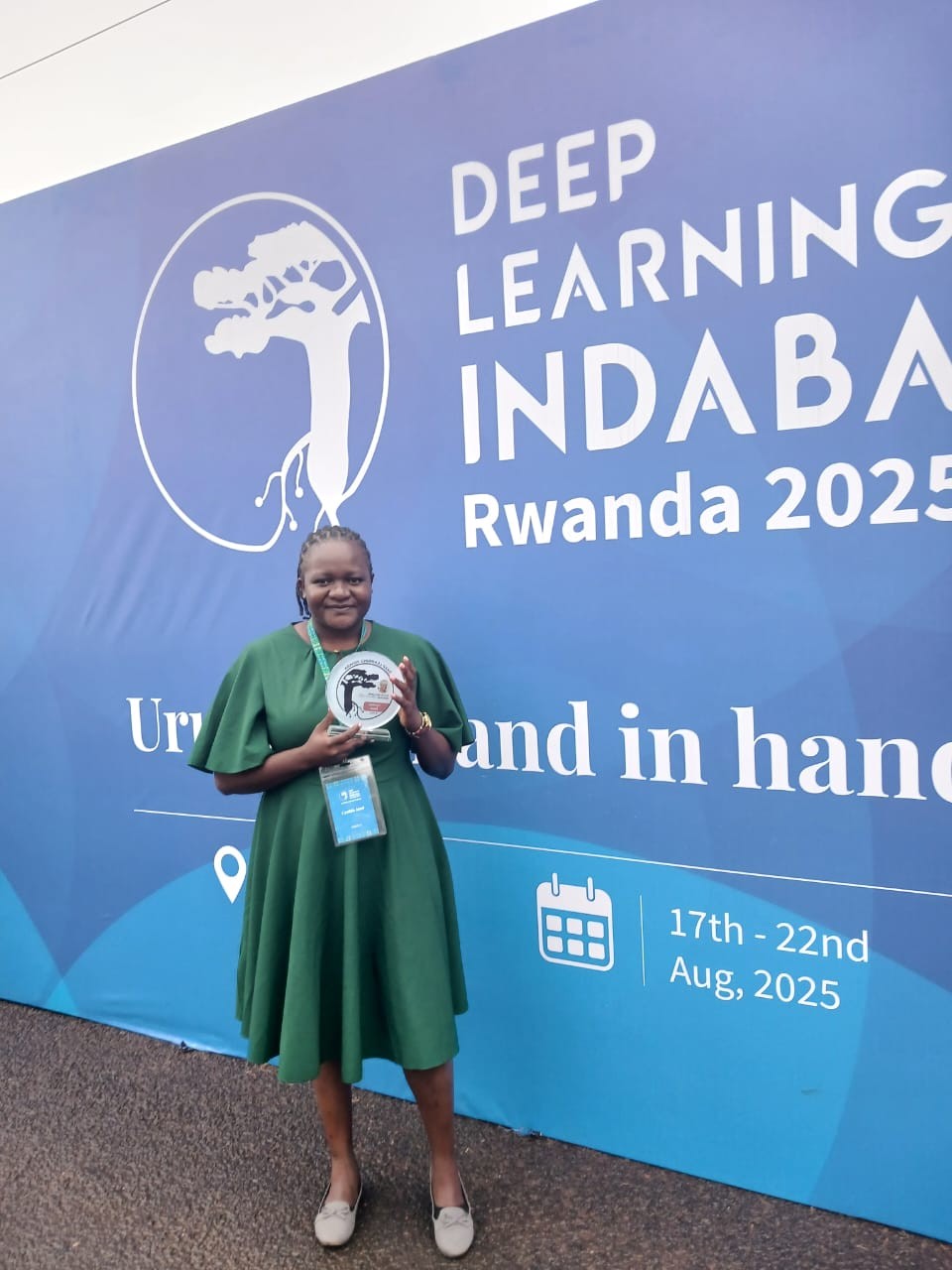
Alele-Williams Masters Award — Deep Learning Indaba 2025
Cynthia Jayne Amol was awarded the Alele-Williams Masters Award at Deep Learning Indaba 2025 for her research contributions to low-resource language modelling and African NLP. The award recognises her leadership in advancing inclusive computing research and her role in the MCAAI team’s dataset and model development work.
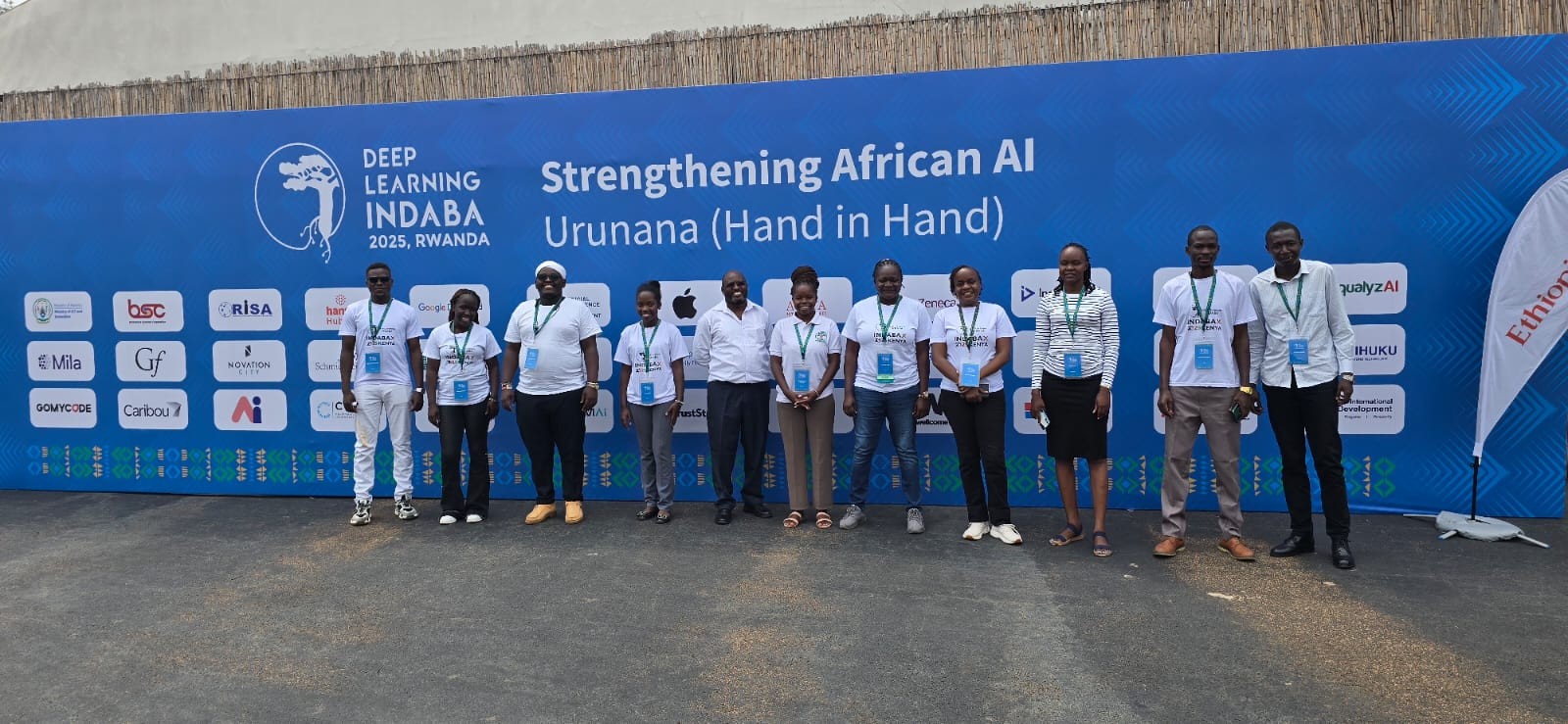
MCAAI at Deep Learning Indaba 2025, Rwanda — 11 Members, Major Awards
This year's Deep Learning Indaba, held in Rwanda, was attended by 11 MCAAI members — the largest MCAAI delegation since the Indaba's first edition. We thank the Deep Learning Indaba organisers for sponsoring travel and accommodation for students and faculty. During the Indaba, MCAAI members participated in workshops, discussion panels, community days, and poster presentations. Our highlights included: Cynthia Amol won the Alele-Williams Masters Award Nelson Odhiambo won a Best Poster Prize for his hate speech detection dataset John Muga won the Networking Prize The Indaba provided an invaluable platform for exposure, collaboration, and connection with the wider African and global AI community.
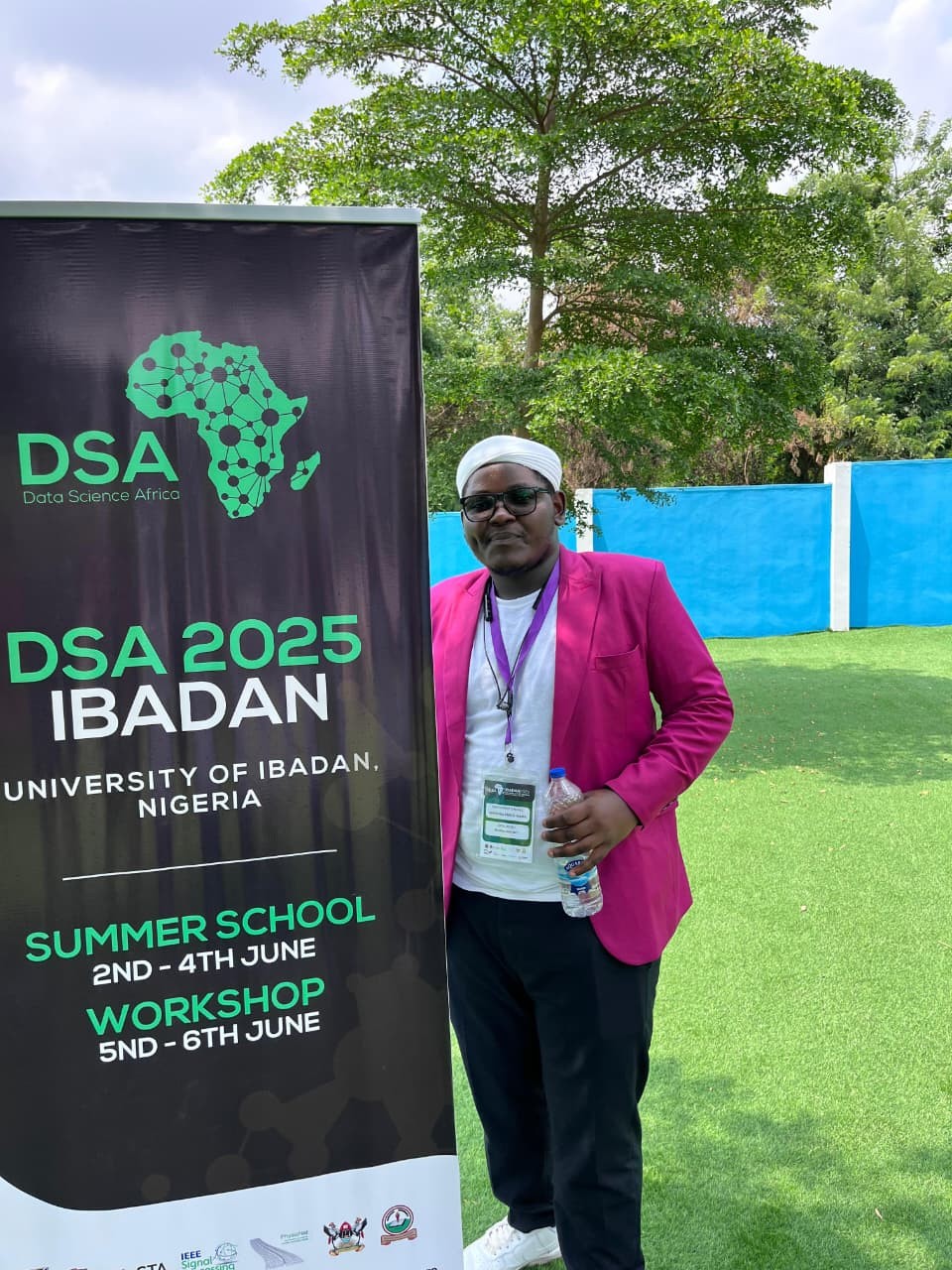
Data Science Africa Summer School & Conference, Ibadan 2025
The Data Science Africa (DSA) Summer School and Conference held in Ibadan, Nigeria provided MCAAI members with a platform to share research progress and connect with AI practitioners and researchers from across Africa. The event reinforced MCAAI's strong relationship with Data Science Africa — one of the centre's key research partners — and gave our team valuable exposure to the breadth of AI work being done across the continent.
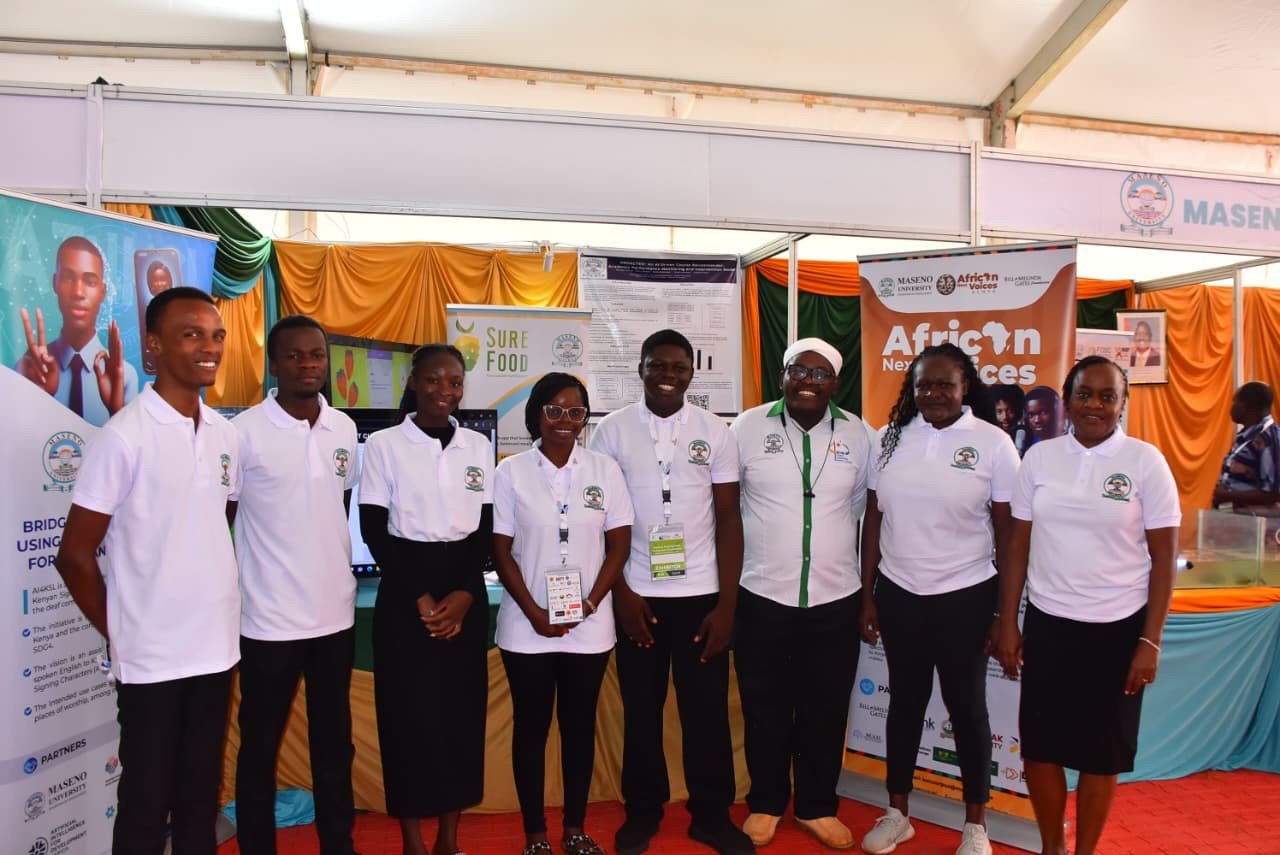
MCAAI at the Nyanza International Innovation Conference (NIIC) 2025
The Nyanza International Innovation Conference (NIIC) 2025, held at Ciala Resort, offered an opportunity for MCAAI to showcase its research to hundreds of local innovators and policymakers. Our team engaged attendees on our work in African NLP — including African Next Voices, AI4KSL, SureFood, and PROACTED — opening doors for collaboration with local communities in advancing the Nyanza development agenda. Maseno University Vice Chancellor Prof. Julius Nyabundi visited the MCAAI stand during the conference.
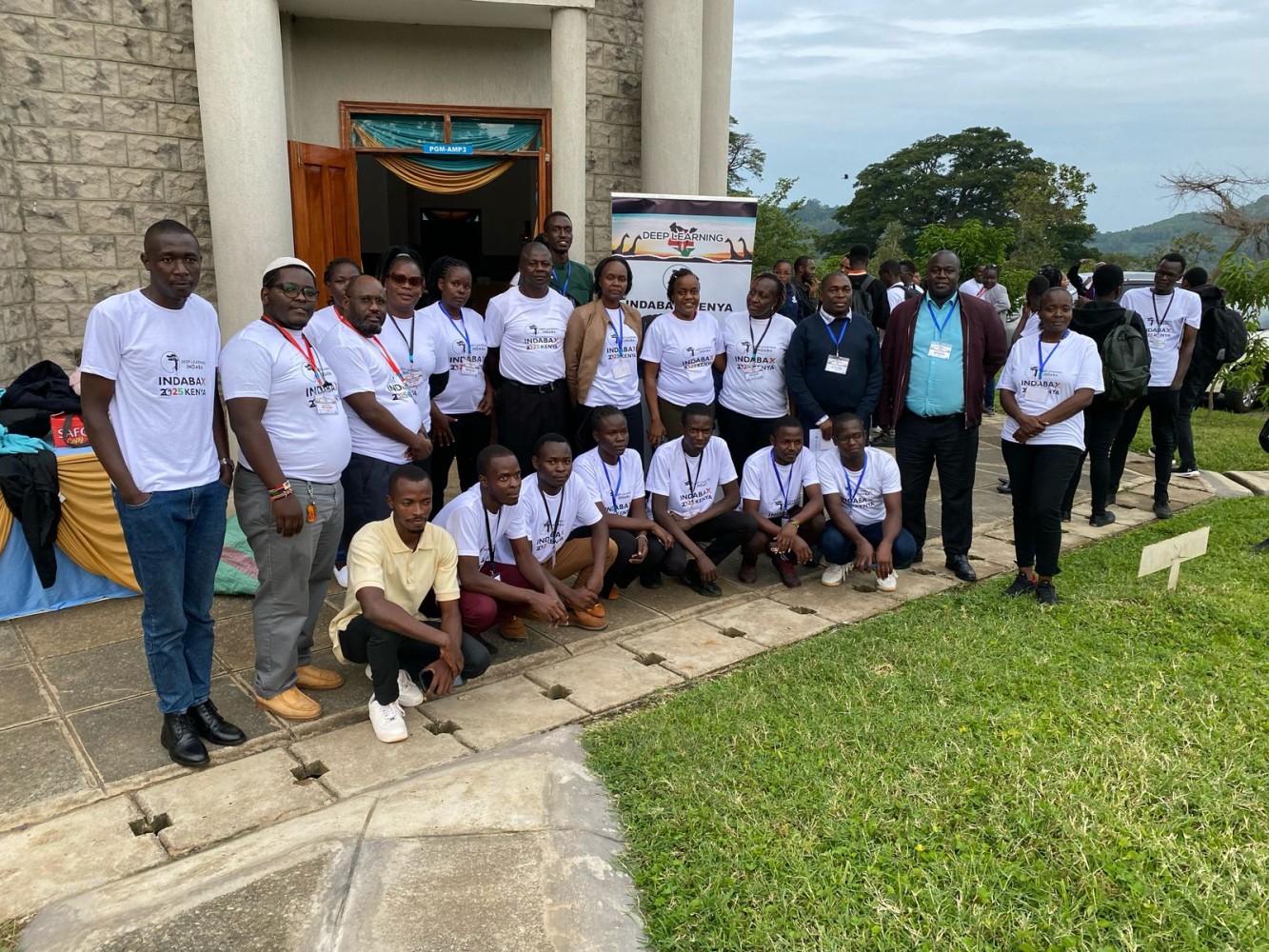
MCAAI Hosts IndabaX Kenya 2025 at Maseno University
MCAAI was proud to host IndabaX Kenya 2025 — one of the largest AI conferences in Kenya this year — in collaboration with Maseno University and MUCISA. The hybrid event was attended by approximately 1,000 students, researchers, and faculty from Kenya and across the world. The rich lineup of speakers shared valuable insights on African NLP, computer vision, AI policy, and cybersecurity. The event celebrated AI talent and innovation in Kenya and provided a platform for cross-institutional collaboration and community building. We thank Deep Learning Indaba and IndabaX Kenya for entrusting MCAAI with this responsibility, and all our partners and attendees for making it a success.
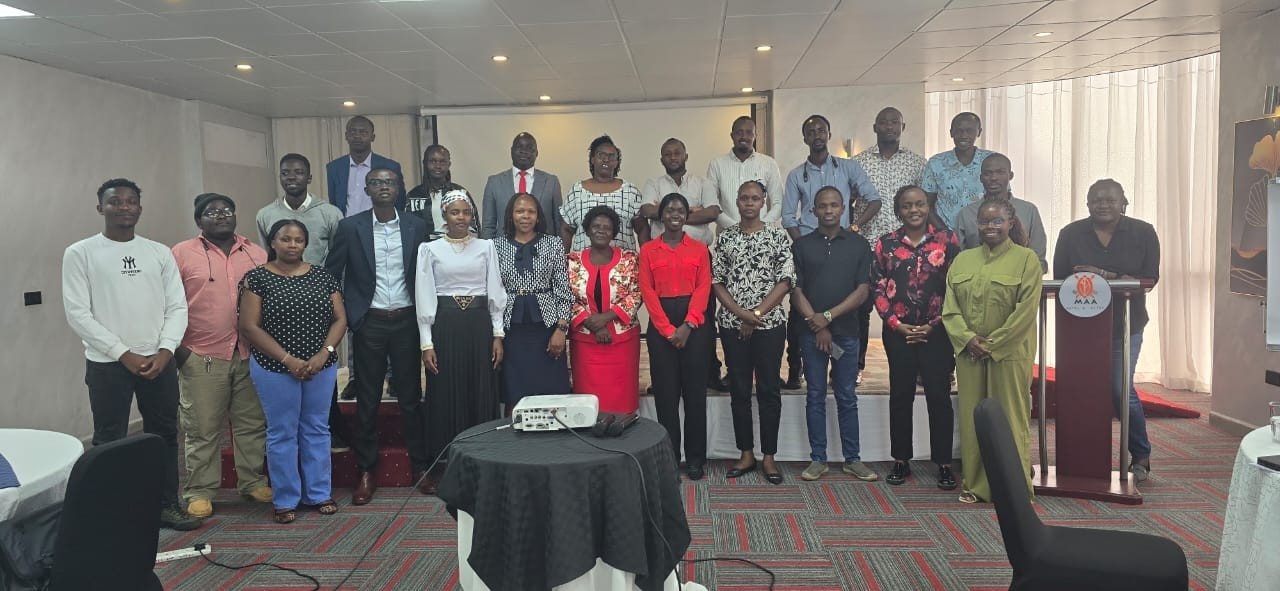
East Africa School for Young Researchers on Advanced Machine Learning, Nairobi 2025
MCAAI members participated in the East Africa School for Young Researchers on Advanced Machine Learning, held at the University of Nairobi. The school provided intensive training in advanced ML techniques alongside exposure to cutting-edge African AI research. Ezekiel Maina won the Best Poster Award at the school for his work on the AI4KSL sign language avatar system — a significant recognition of MCAAI's disability inclusion research at the regional level.
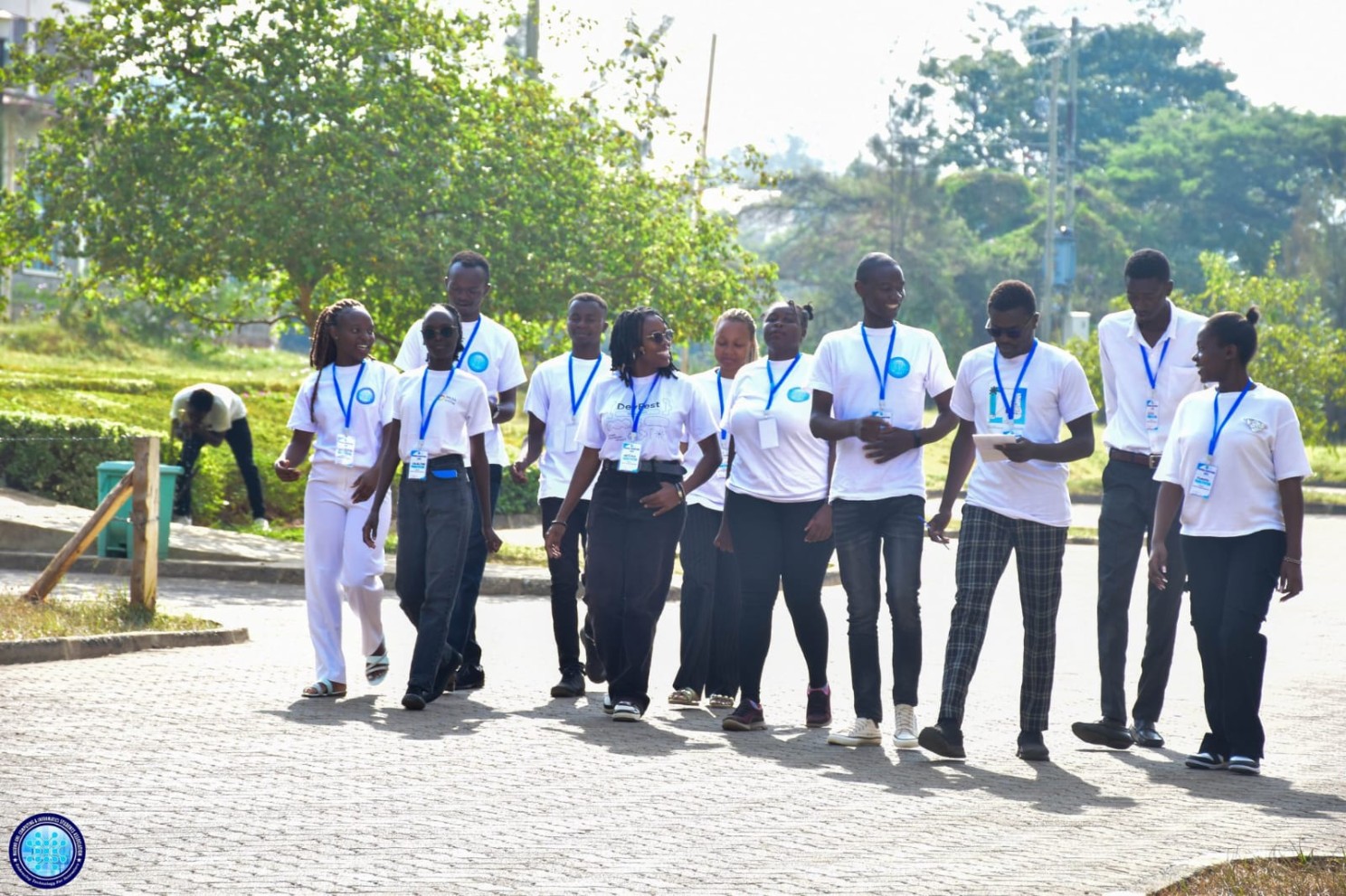
MUCISAxMCAAI Hackathon: Championing Student Innovation at Maseno
MCAAI collaborated with MUCISA to host the first edition of the annual SCI Hackathon at Maseno University. The event challenged young minds to solve real-world problems using technology and AI. MCAAI members took part in the judging panel and mentorship sessions, guiding participants through ideation, prototyping, and presentation. The hackathon produced promising solutions across agriculture, education, and community services. We look forward to subsequent editions as we collaborate to prepare undergraduate students to be industry leaders and contribute meaningfully to impactful AI projects.
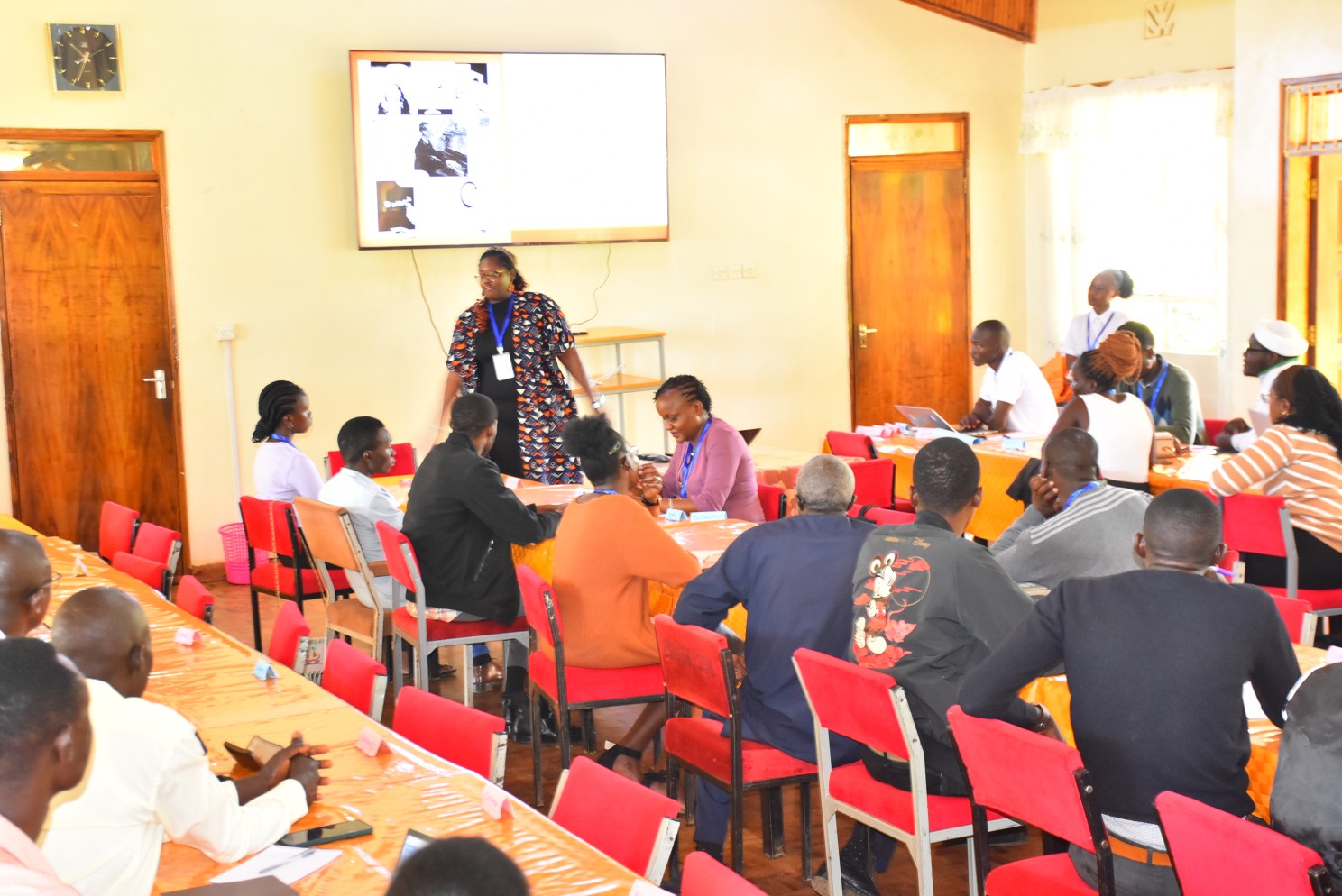
Mozilla Workshop: Choosing a Community Licence — MCAAI & CIPIT Collaborate on NOODL
In collaboration with the Centre for Intellectual Property and Information Technology Law (CIPIT) at Strathmore University, led by Dr. Melissa Omino (LLD), MCAAI hosted a workshop series focused on the Nwulite Obodo Open Data License (NOODL). The workshops brought together researchers, legal experts, and community representatives to explore responsible AI licensing, intellectual property considerations, and strategies for sharing datasets and AI models in ways that empower African researchers and communities. This collaboration was co-supported by Mozilla and reinforced MCAAI's position as a global leader in community-controlled AI data governance.
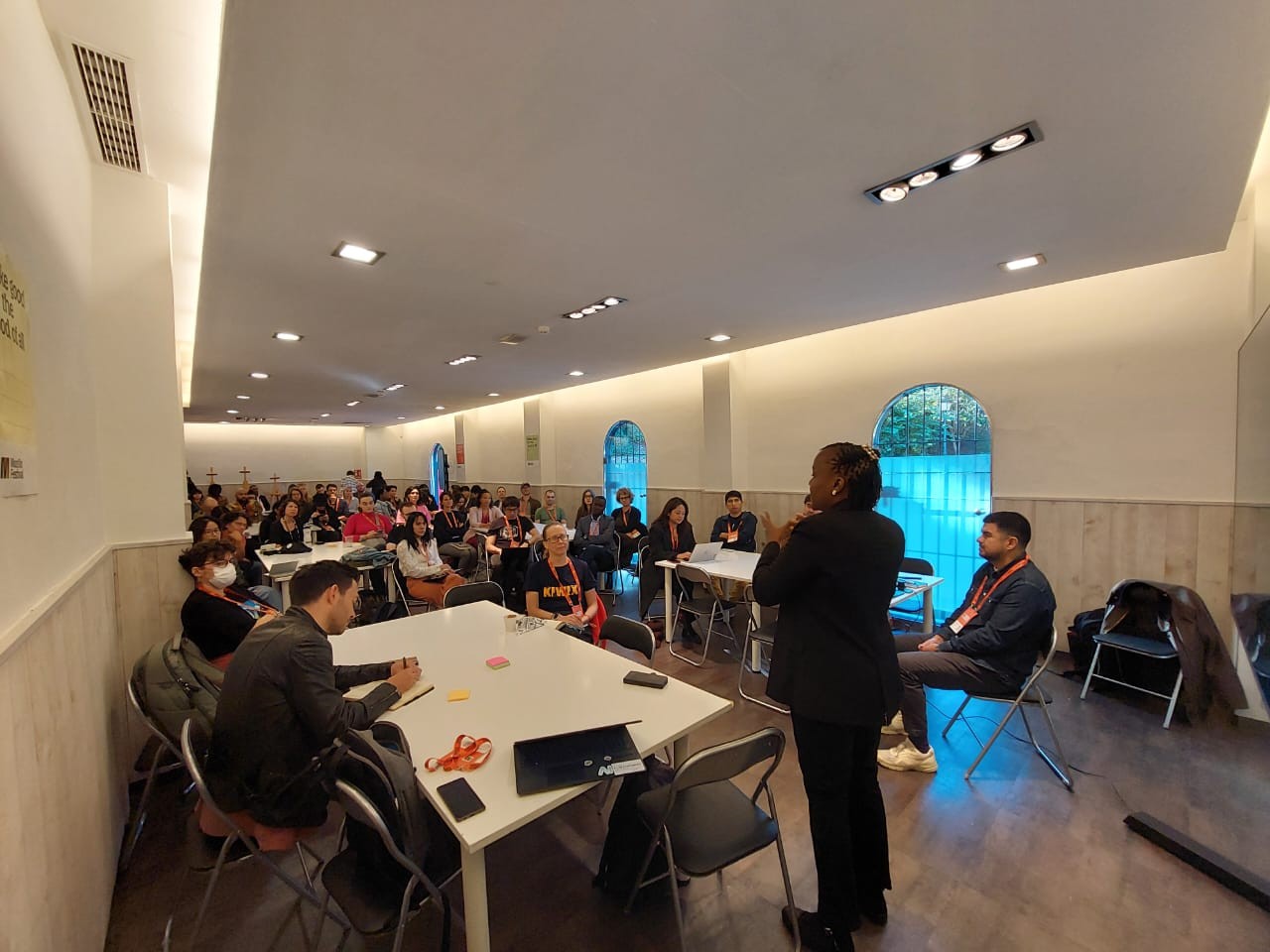
MCAAI at MozFest Barcelona 2025: Unlearning Technology, Building Better Futures
Mozilla Festival 2025 in Barcelona focused on the theme of unlearning technology and building better futures. MCAAI representatives participated in discussions on charting the future of more ethical, inclusive, and community-accountable technology — themes that align directly with MCAAI's research philosophy and the NOODL data governance framework.